
 Get in touch with us
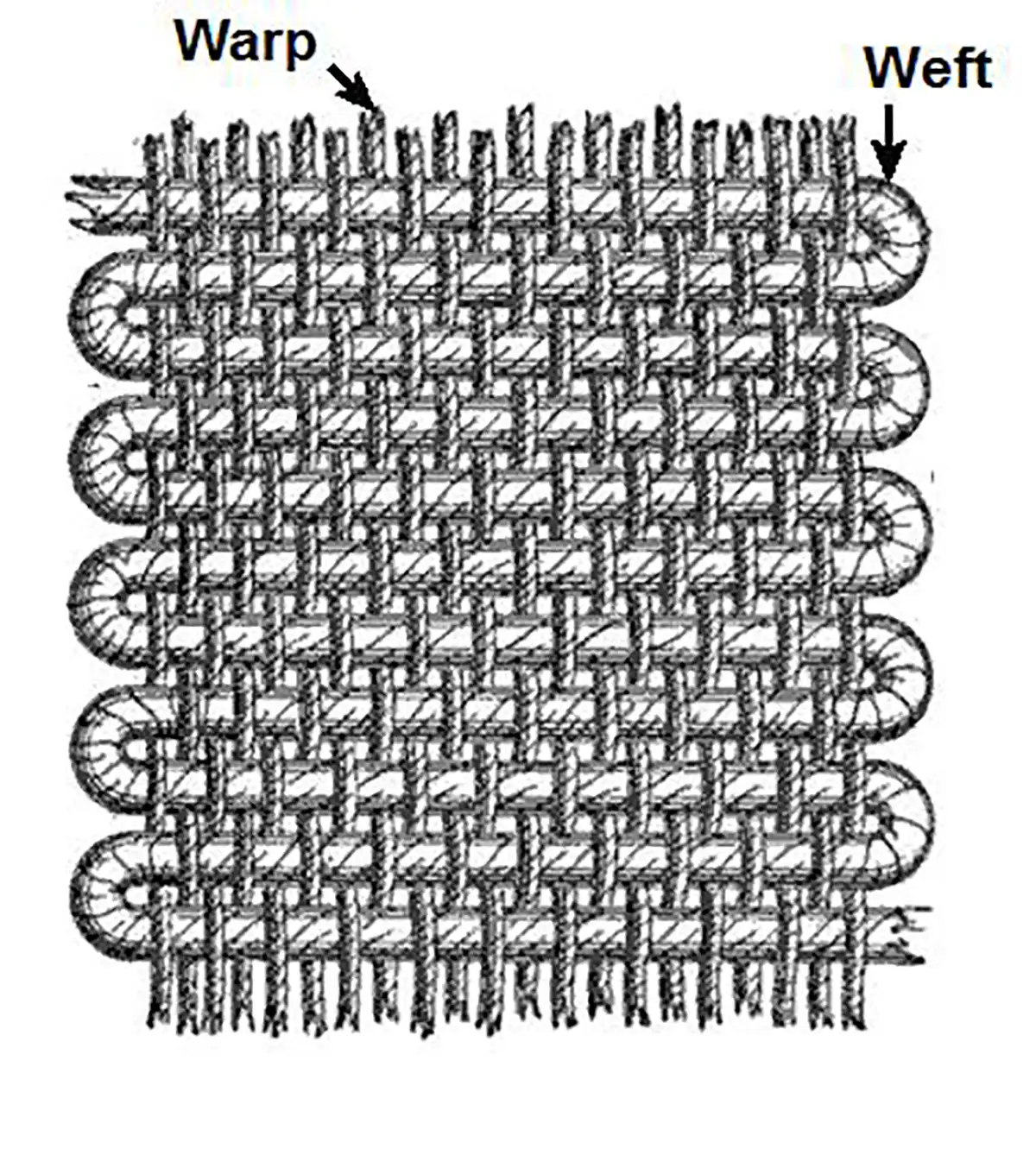
Weaving works by interlacing two sets of threads at right angles to create fabric. The vertical threads are called the warp, and the horizontal thread that passes across them is called the weft. A loom holds the warp under tension while the weft is carried across row by row to build the textile.
Every woven fabric begins with two elements: the warp and the weft. The warp is the set of threads stretched tightly on the loom. The weft is the thread carried across them. As the weft passes over and under the warp again and again, the textile begins to form.
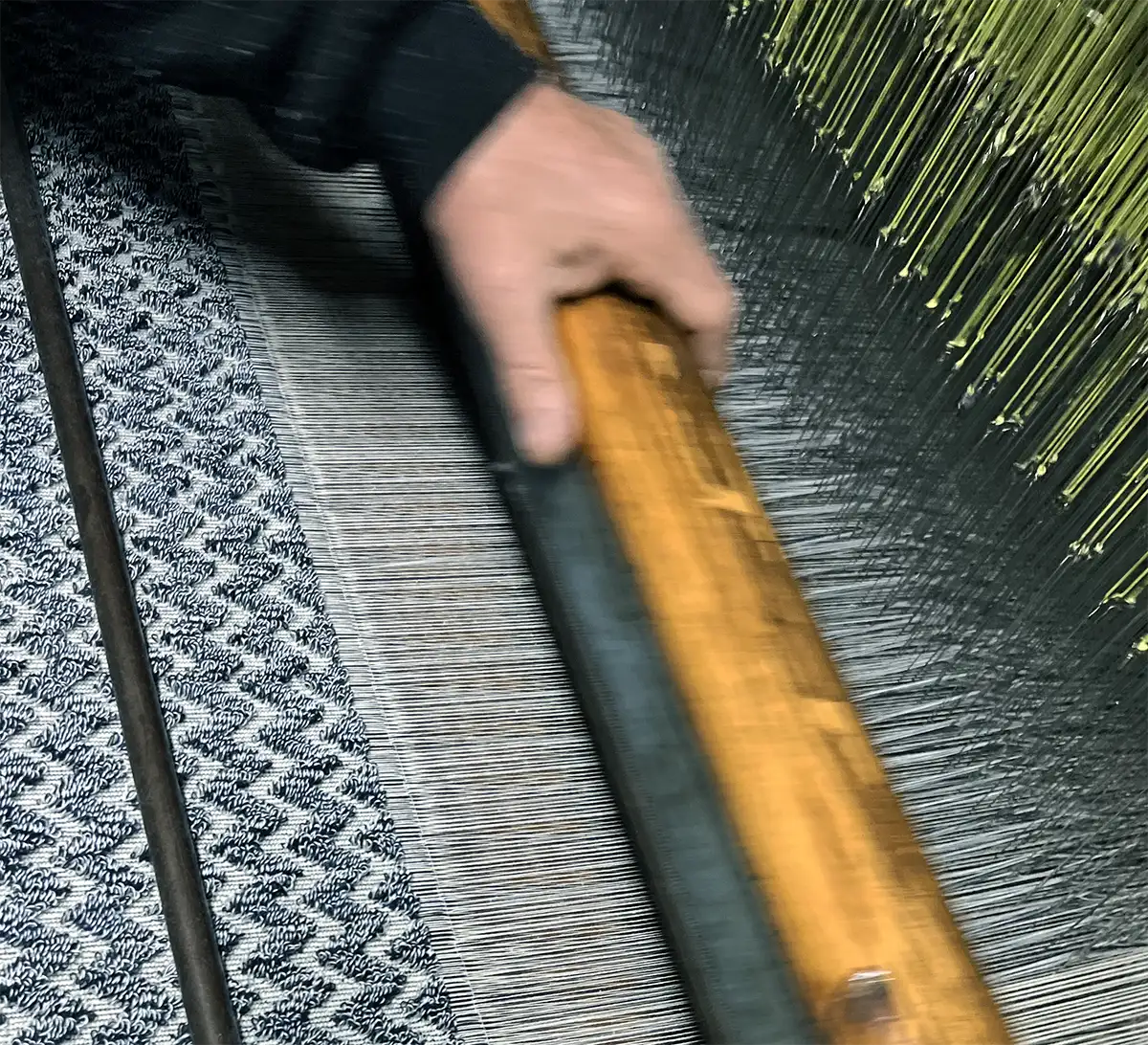
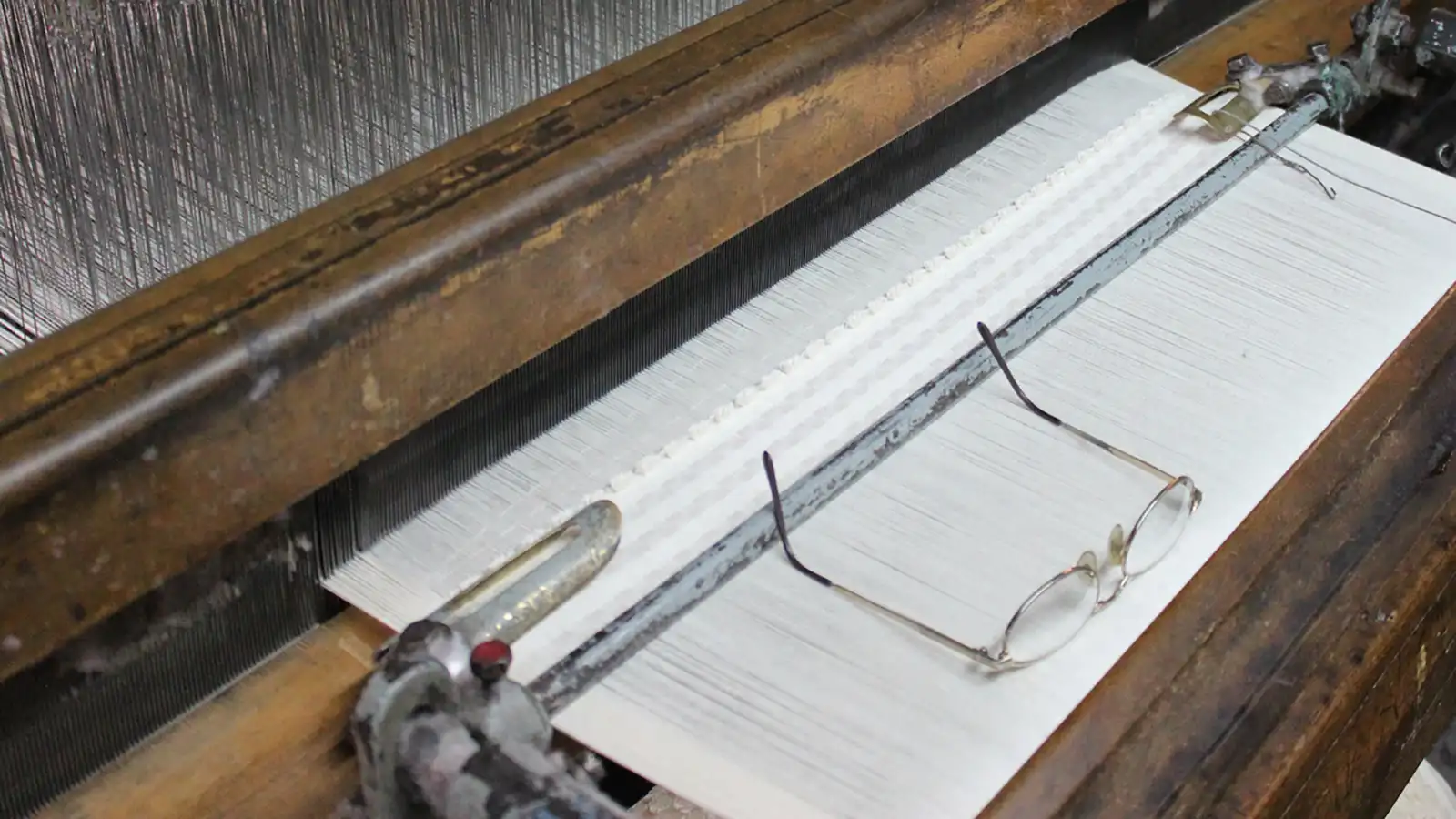
A loom holds the warp threads under tension and gives the weaver the control needed to build fabric evenly and precisely. Without it, there is no way to keep the threads aligned, separated, or properly packed into place.
Every loom, whether simple or highly specialized, does four things:

1. The warp is prepared
Threads are measured, arranged, and tensioned on the loom before a single row can be woven. This stage takes time, and any error here will carry through to the finished textile.
2. The warp is separated
The loom lifts selected warp threads to create the shed, the opening through which the weft will travel.
3. The weft passes through
A shuttle carries the weft thread across the shed from one side to the other.
4. The weft is beaten into place
The weaver pulls the beater forward, packing the new row firmly against the cloth already formed.
5. The process repeats
Row by row, pass by pass, the crossing of warp and weft builds the fabric.

The structure of weaving is easy to understand. Doing it well is something else entirely.
A weaver must manage tension, rhythm, thread behavior, and structure continuously, for hours at a time. Small inconsistencies distort the fabric. Uneven beating creates weak points. A misread thread can throw off a pattern before it has even begun to show. What looks repetitive from the outside is, in practice, one of the most demanding physical crafts still practiced today.

Most textiles today are produced on high-speed industrial looms built for volume. Traditional shuttle looms are different. They move at a slower pace, they depend entirely on human judgment, and they require a weaver who can feel the tension, read the cloth, and respond to the material as it behaves under their hands.
Very few of these looms are still operating. At Jennifer's Hamam and Jennifer's Collection, we work with master weavers who have spent their lives at these looms, continuing a craft that industrial production cannot replicate and has largely left behind.

If you'd like to understand what weaving really means, where it comes from, and why so little of it survives today, read our full overview: What Is Weaving? Definition, Meaning, and How It Works.
To see what traditional shuttle loom weaving actually produces, explore our handwoven Thick-looped Turkish towels and Pestamel, each one made by the same hands and the same methods described in this article.